
Engineered wood vs. Solid wood flooring
Whether you’re an enthusiastic cook or more well suited to using the microwave, they call the kitchen the ‘heart of the home’ for a reason as we all know a lot goes on. When choosing flooring for the kitchen there a lot of elements to consider. Heat and moisture from the oven and sink, accidental spills and the daily run of the dishwasher – all of these things could potentially cause damage to your flooring.

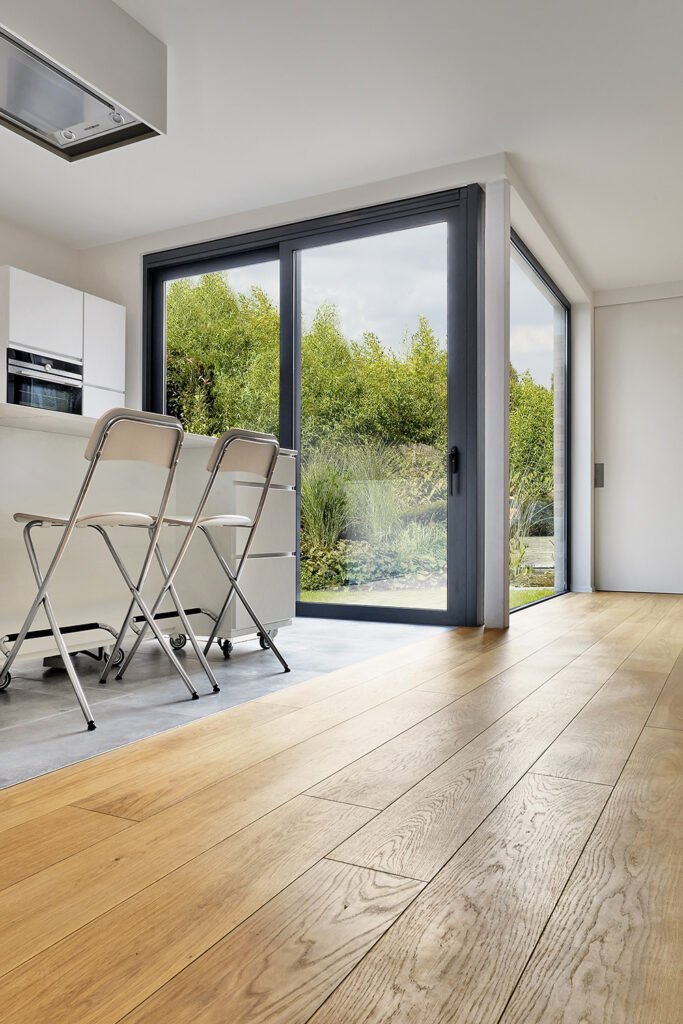
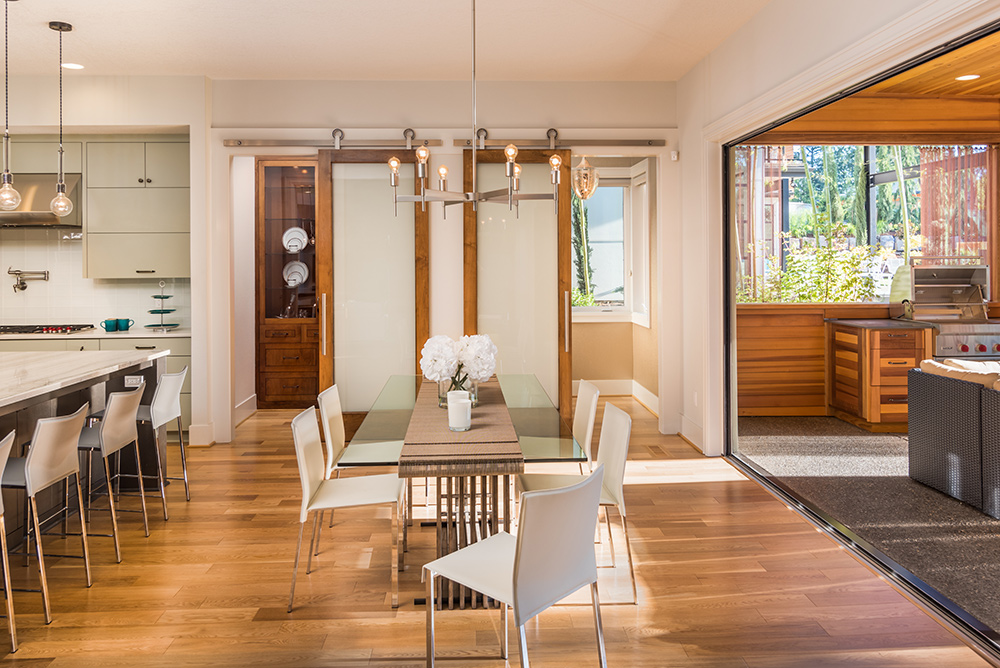
Engineered wood flooring is the perfect solution for those who want to bring the authentic flair of solid wood into their kitchen without the negatives.
The Flooring Factory
So, what is there to consider when choosing your kitchen flooring?
Wood expands naturally and contracts as heat and moisture levels rise and fall. Due to heat and steam from cooking there can be larger fluctuations in the kitchen. Solid wood is seen as unsuitable for areas with high levels of moisture and humidity such as kitchens, being susceptible to shrinkages and warping.
- Engineered oak is a much more stable option
- Our flooring is thicker, with a 4mm durable top layer
Engineered oak is a great option due to the unique composition, constructed from multiple layers of compressed timber, providing unbeatable stability and can stand up to the heat of any kitchen environment. Topped with a wear layer of solid wood veneer, your kitchen flooring will be indistinguishable from solid wood, but with all of these benefits of additional strength and durability.

How to protect your engineered wood flooring in your kitchen
Spills can happen in the home. As long as they are cleaned up straight away, they shouldn’t damage your floor. Also, a way to help protect your floor is to choose wood with a lacquered finish. This helps to shield the wood so stains and liquid can’t penetrate so easily. A very practical choice for the kitchen.
Our director here at The Flooring Factory has some flooring recommendations based on all the above facts.